Horizontal and vertical
One of the major architecture decisions in large organizations is what functions can be harmonized across all areas and which functions are built individually per product / service line / geography. Economies of scale dictate growing the base layer. Markets also usually expect this type of standardization to reduce complexity, control, and cost. Afer all, if a company only exists of vertical pillars, one could challenge why it is one company in the first place.
In contrast economies of speed and the drive for innovation favor independence and innovation in the vertical pillars. The relevance of this decision leads to virtually every IT strategy deck to have some version of the Universal Architecture Diagram.
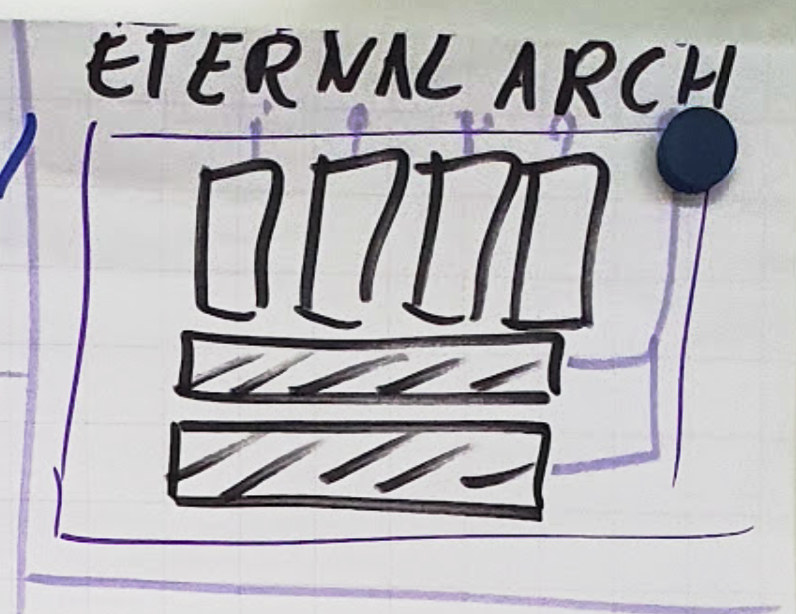
The diagram does not just apply to traditional organizations but also to digital giants like AWS. AWS boasts of highly autonomous “2-pizza teams”, but that autonomy sits on a common foundation. For example, virtually all services use a common build and deployment system (Apollo), common audit and logging, identity and access management, and cloud automation. The AWS console was largely part of each service vertical, until it was pushed into the common layer, both for design and operations. Some architecture discussions span all IT organizations, hence they are universal.
Grow Your Impact as an Architect
The Software Architect Elevator helps architects and IT professionals to take their role to the next level. By sharing the real-life journey of a chief architect, it shows how to influence organizations at the intersection of business and technology. Buy it on Amazon US, Amazon UK, Amazon Europe